

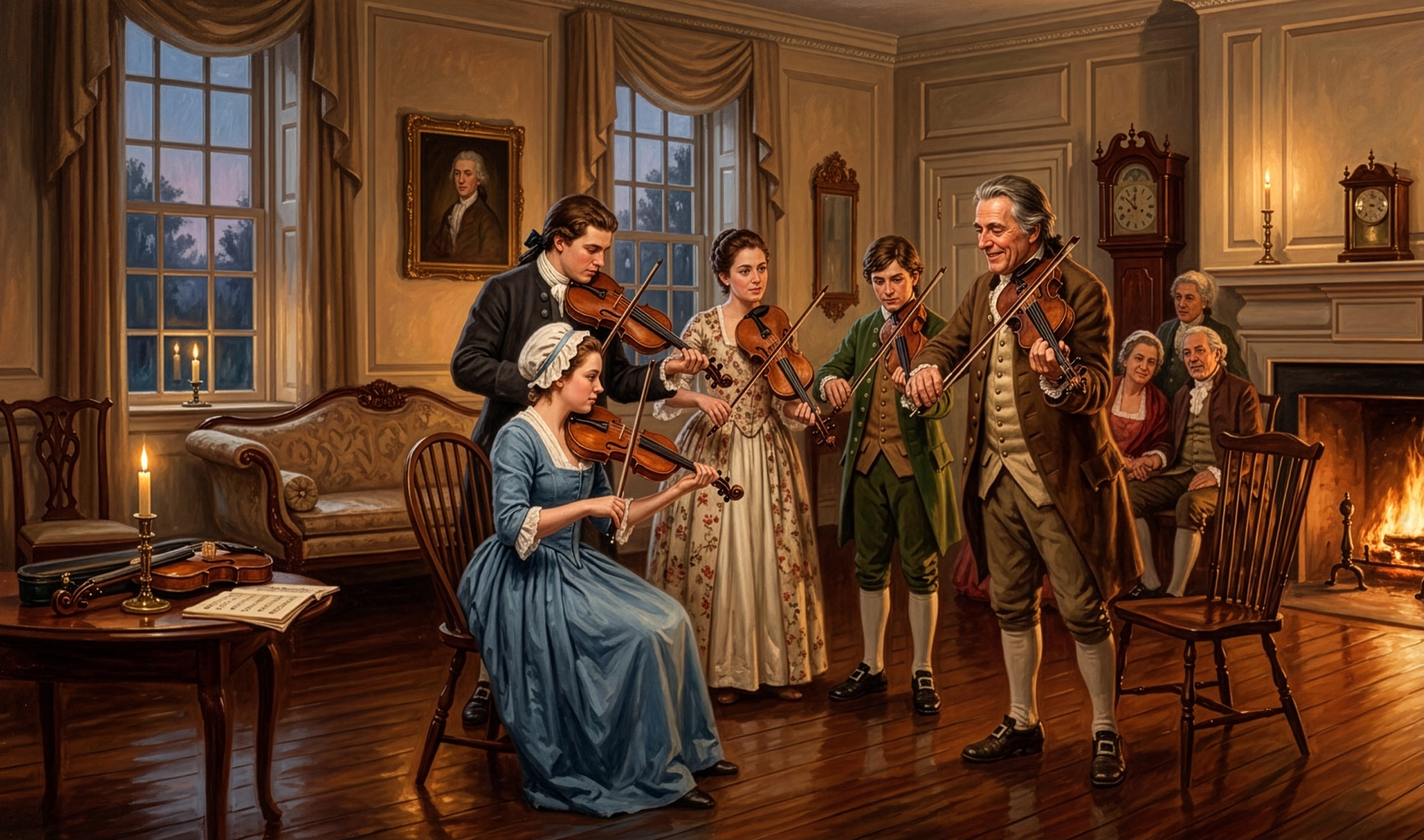
There are certain tunes a fiddler learns early—pieces that serve as introductions, as first steps into the language of the instrument. They are often foundational, but temporary—pieces belonging to a stage you pass through on the way to something else. But every so often a tune refuses to stay in that place, and “Devil’s Dream” is one of those tunes.
It arrives early, simple enough to grasp, clear in its structure, and direct in its forward pull. There’s a brightness to it, a kind of driving, circular energy that feels as if it’s always just slightly ahead. For a beginner, it offers something immediate—a way in. The notes make sense, the form holds together, and the rhythm carries without hesitation. It teaches without announcing that it’s teaching. For a more advanced player, it offers something different: not just a tune to play, but a tune to return to. Its shape stays familiar, but its possibilities continue opening up, making room for touch, phrasing, lift, and personal expression.
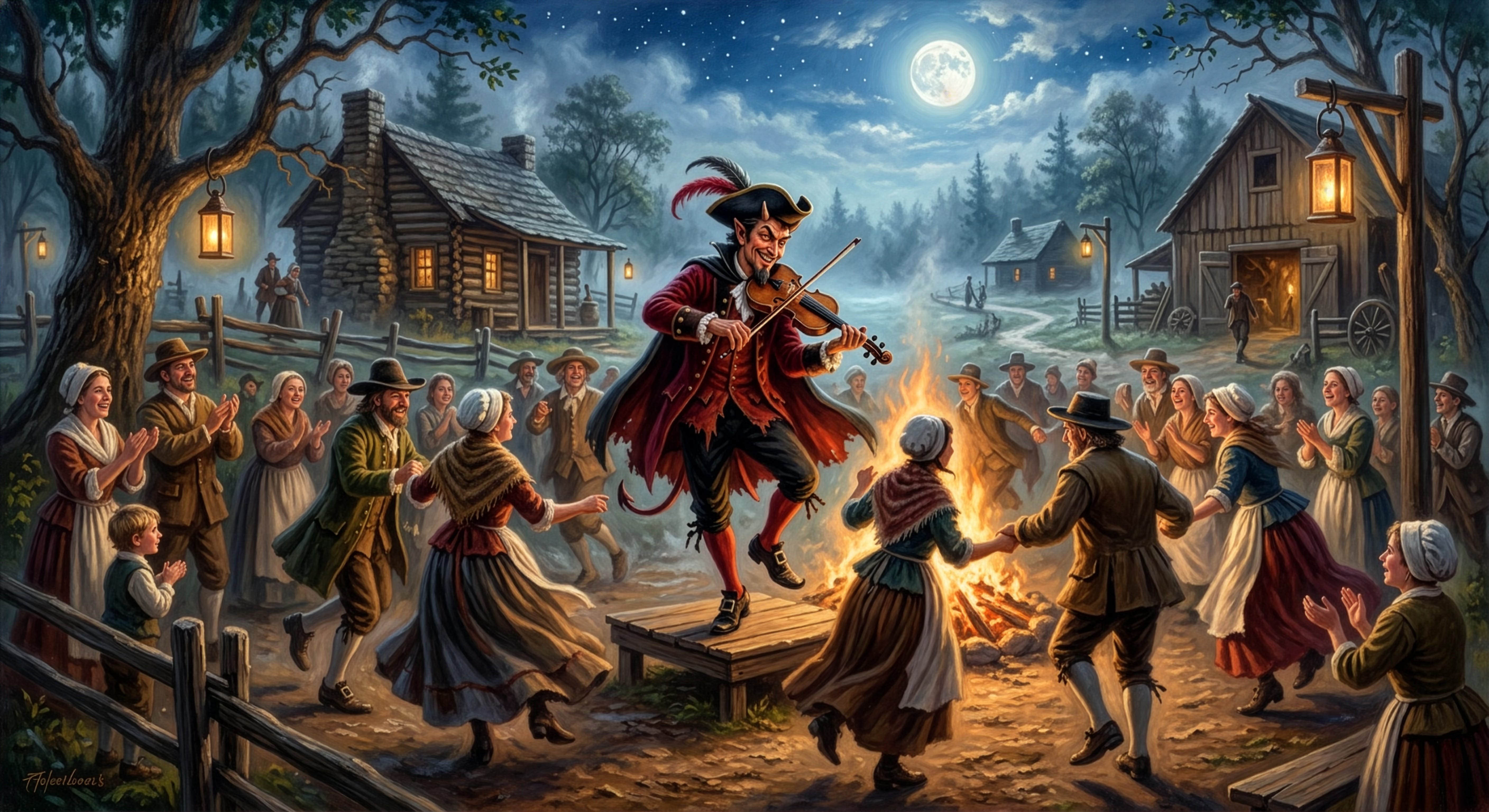
With a title like “Devil’s Dream”, the imagination naturally wants to run wild. It can conjure all kinds of old folk imagery—a devil with a fiddle, a dark midnight scene, the kind of tune a story would surround with moonlight, mischief, and danger. But the title itself belongs less to shadow than to the traditional way of naming fiddle tunes with wit, exaggeration, and theatrical flair. In practice, “Devil’s Dream” is bright, lively, and the kind of tune that seems made to bring people together.
But what sets “Devil’s Dream” apart from those other early tunes is not how it begins, but how it develops. Most beginner tunes fall away as the player grows older, becoming markers of where they once were rather than tunes they continue to return to. “Devil’s Dream” stays with you because it continues inviting you back.
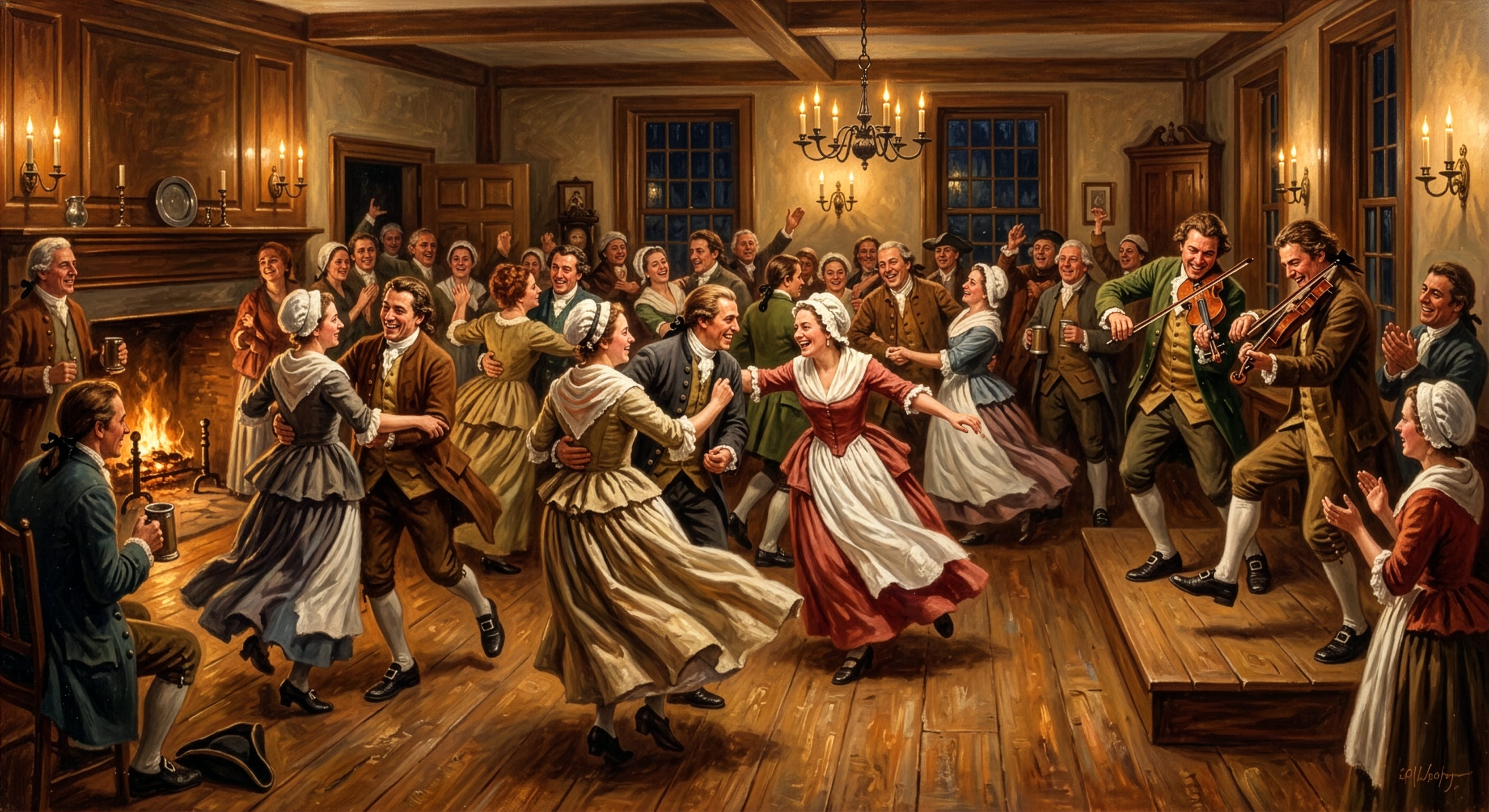
Part of that staying power comes from how far the tune itself has traveled before it reaches you. “Devil’s Dream” has roots that reach into the Anglo-Celtic tradition, and it is closely tied to melodies like “De’il Among the Tailors.” From there it moved into print collections, across oceans, and into the fabric of American fiddle culture during the late 19th and early 20th centuries; by the time it appeared in early field recordings in places like Michigan and Vermont, it was already fully at home. Part of what has allowed the tune to endure is its ability to hold its shape while still inviting each player into it.
And somewhere along the way, the tune begins to open up—not in its structure, but in its possibilities. It remains exactly what it always was: two parts, a familiar musical phrase, and a steady path from beginning to end. The way the tune moves from A to B minor is something I’ve always personally been drawn to. It is a simple change, but within it there is remarkable room to move, and that is part of what makes the tune so satisfying to play. The A side gives you one area to move through, and then the turn into B minor opens up another direction—one where the line can seem to go either up or down without breaking the tune’s energy. What once felt like chord changes to move through becomes something to move within. You begin to shape phrases instead of simply playing them, and in doing so, you begin to hear the tune respond.
There is something in “Devil’s Dream” that resists settling completely—a sense that it could continue beyond where you leave it, turning forward even after the last note. It has always felt that way to me, as if the tune carries its own momentum, capable of stirring movement—not just in the body, but in the attention itself.
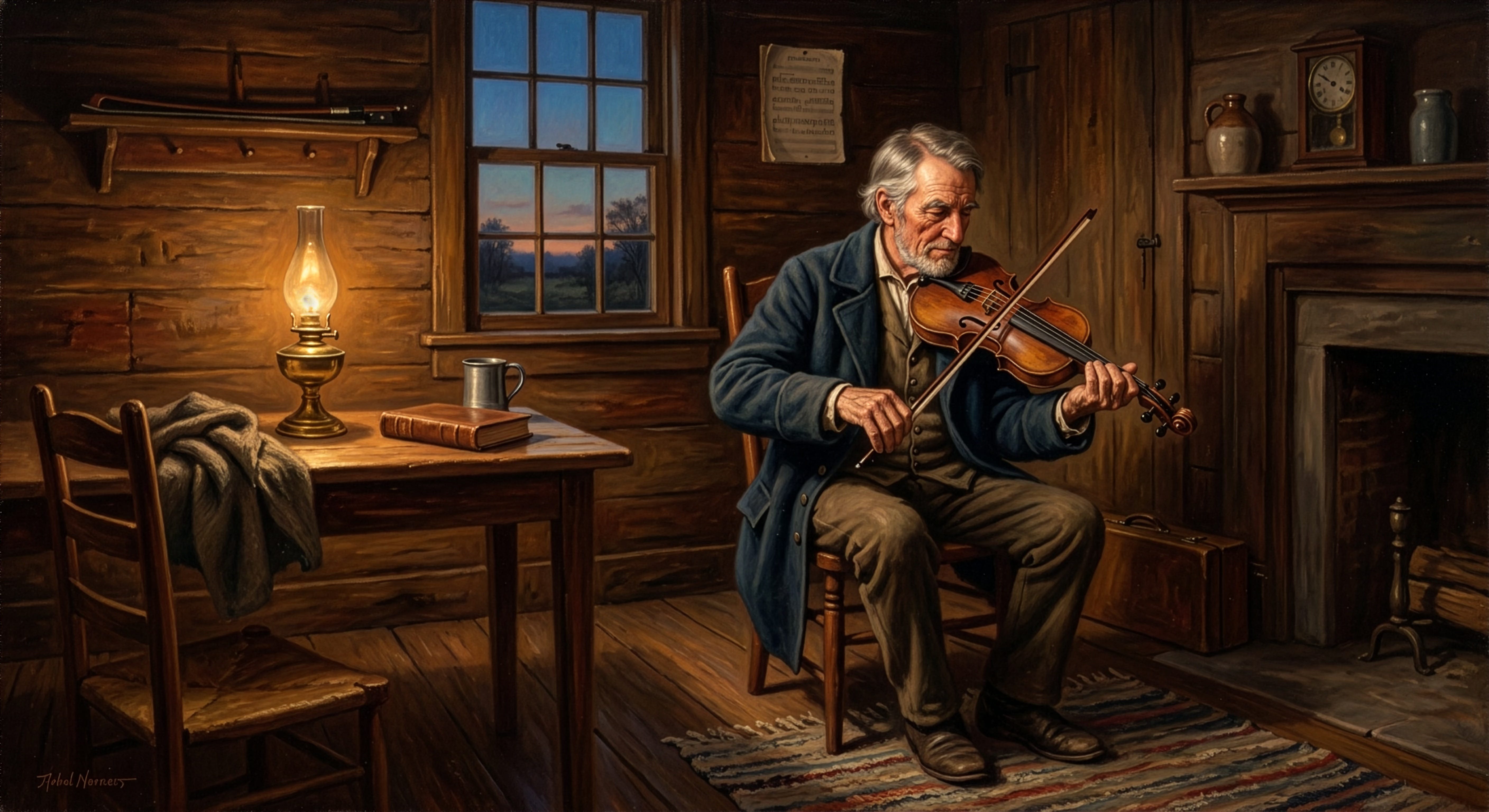
This is part of what gives “Devil’s Dream” its lasting place in the tradition. It can meet a beginner at the first stages of learning and still remain worth returning to decades later. The same tune passes through different hands at different depths—first as something learned, then as something shaped, and eventually as something shared. In that sense, it is not only a tune that stays with the player, but one that is continually handed forward.
You do not outgrow “Devil’s Dream.” You grow into it.

Traditional Tune Archive — “Devil’s Dream”
Fiddler’s Companion — “Devil’s Dream / De’il Among the Tailors”
Library of Congress, American Folklife Center — field recordings (Bonner, Barton, Grover)
Hardy, Thomas — The Return of the Native (fiddle references)
The Session — “The Devil’s Dream”
🎻 Watch the latest Fiddle Canon Minute
⸻
Written as part of the Reflections Series for The Fiddle Canon Project — exploring the living traditions, histories, and voices within American fiddle music.
© 2026 Brian Arrowood. All rights reserved.