

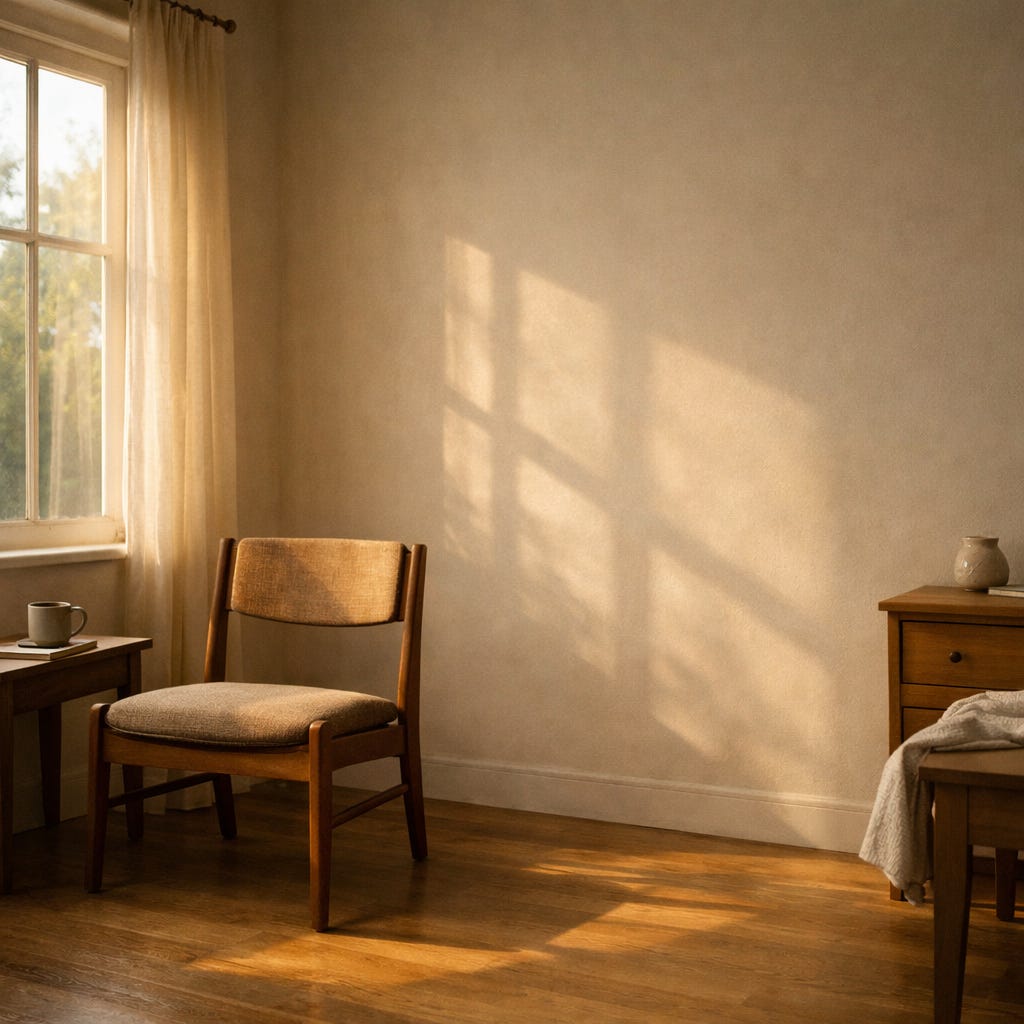
For a long time, progress meant moving outward.
Bigger cities. Faster travel. Wider networks. More contact, more visibility, more shared momentum. Civilization measured itself by expansion — by how much ground it could cover, how many people it could connect, how loudly it could speak.
And then, very suddenly, we stopped.
Not gradually. Not by choice. But all at once.
Somewhere around 2020, the direction reversed. The world didn’t just pause — it folded inward. And in the years that followed, something deeper than habit began to change. The way people experienced time. Presence. Each other. The simple feeling of being human together.
What happened wasn’t only social or technological. It was interior.
The pandemic rewired the most basic assumptions of daily life. For the first time most of us can remember, distance became a form of care. To stay away was to be responsible. Touch, breath, proximity — the quiet grammar of human closeness — were suddenly recoded as danger.
That inversion mattered more than we realized at the time.
Human beings regulate themselves through others. Not through conversation alone, but through small, unremarkable forms of presence — shared rooms, passing glances, overheard laughter, the simple sense of bodies nearby. When those disappeared, people didn’t just feel lonely. They adapted.
They learned how to live with less.
Solitude stopped feeling temporary. It became the atmosphere. Something you breathed without thinking about it.
Time changed shape too. Days lost their edges. Weeks slid into one another. A calendar reminder could appear on a screen and feel oddly fictional, as if it belonged to a different life. Without external variation, the future softened, then blurred. Planning felt abstract. Momentum thinned.
Even after the world reopened, many people noticed that something hadn’t returned — the forward pull, the collective lean toward what comes next.
Work followed the same path inward. What had once been social — offices, commutes, shared effort — collapsed into screens and private rooms. The glow of a laptop at a kitchen table replaced the low hum of a workplace. Identity detached from place and became something quieter, more internal.
A question surfaced, often without words:
If no one sees me doing this, who is it really for?
By the middle of the decade, it was clear we weren’t “going back.” There was no reset. Only a new baseline.
People became more selective. Crowds felt louder than they used to. Noise lingered longer. Social energy became something you spent carefully. This wasn’t withdrawal so much as curation — choosing depth over volume, intention over default togetherness.
Connection didn’t disappear, but it changed shape. Physical presence gave way to mediated contact. Society reorganized around consent rather than assumption. Being together became something you opted into, not something you lived inside all the time.
And then, into that already inward world, artificial intelligence arrived.
Not as a shock. Not as an interruption. But almost as a reply.
AI showed up offering something unusual: responsiveness without demand. Conversation without friction. Presence without the subtle negotiations that human interaction requires. For people already conserving energy, already cautious with attention and trust, this felt less like a machine and more like relief.
It wasn’t that people wanted to replace each other. It was that interaction had become expensive, and here was something that listened without costing quite so much.
AI didn’t pull society inward. That work had already been done. What it did was furnish the interior space that isolation had created. It made inwardness livable. Sustainable. Scalable.
Another quiet decoupling followed. Thinking no longer required witnesses. Creativity no longer demanded collaboration. You could reflect with something that mirrored your tone, followed your premises, never interrupted. Thought itself became more private than it had ever been.
Still, the story isn’t one-directional.
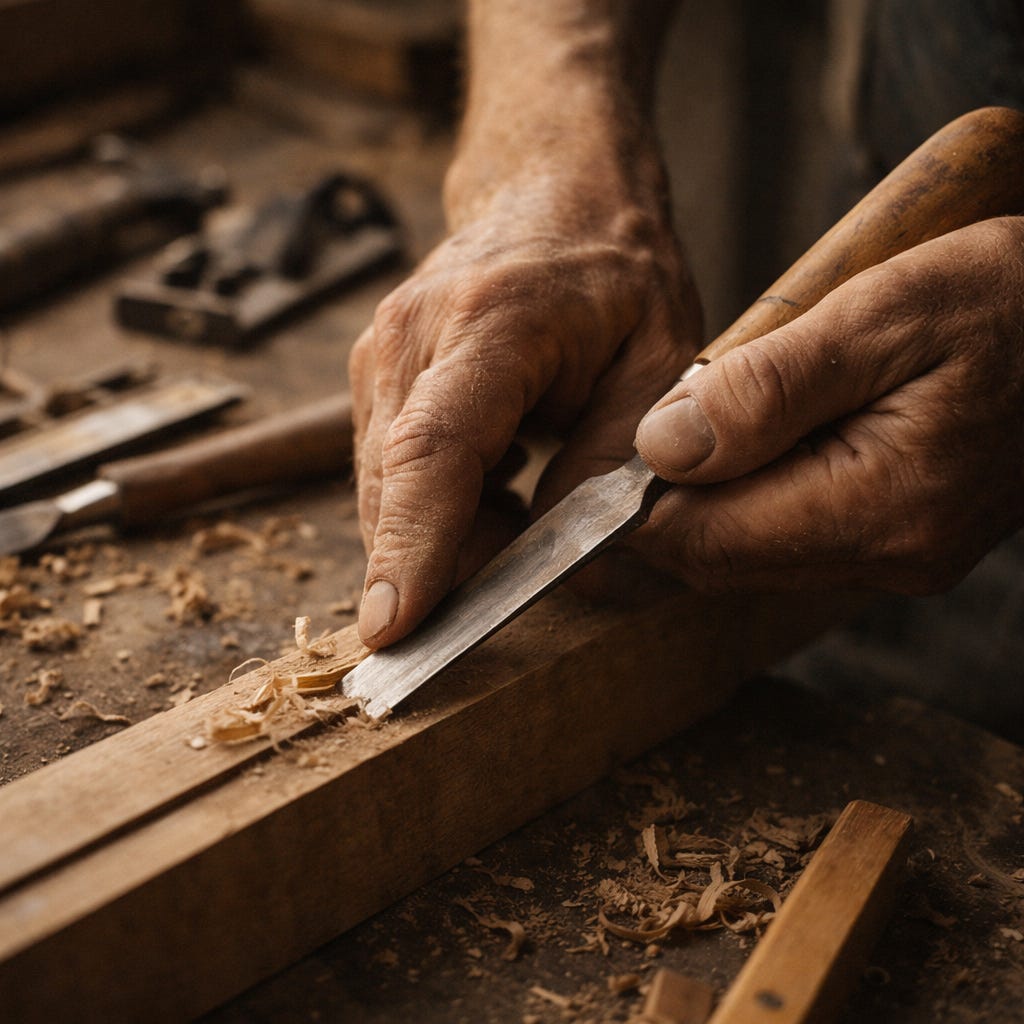
Even as society turns inward, there are counter-movements — tentative, human, unfinished. People gathering again around music, craft, shared meals. Hands returning to instruments, tools, physical materials. Small experiments in presence that feel fragile precisely because they matter.
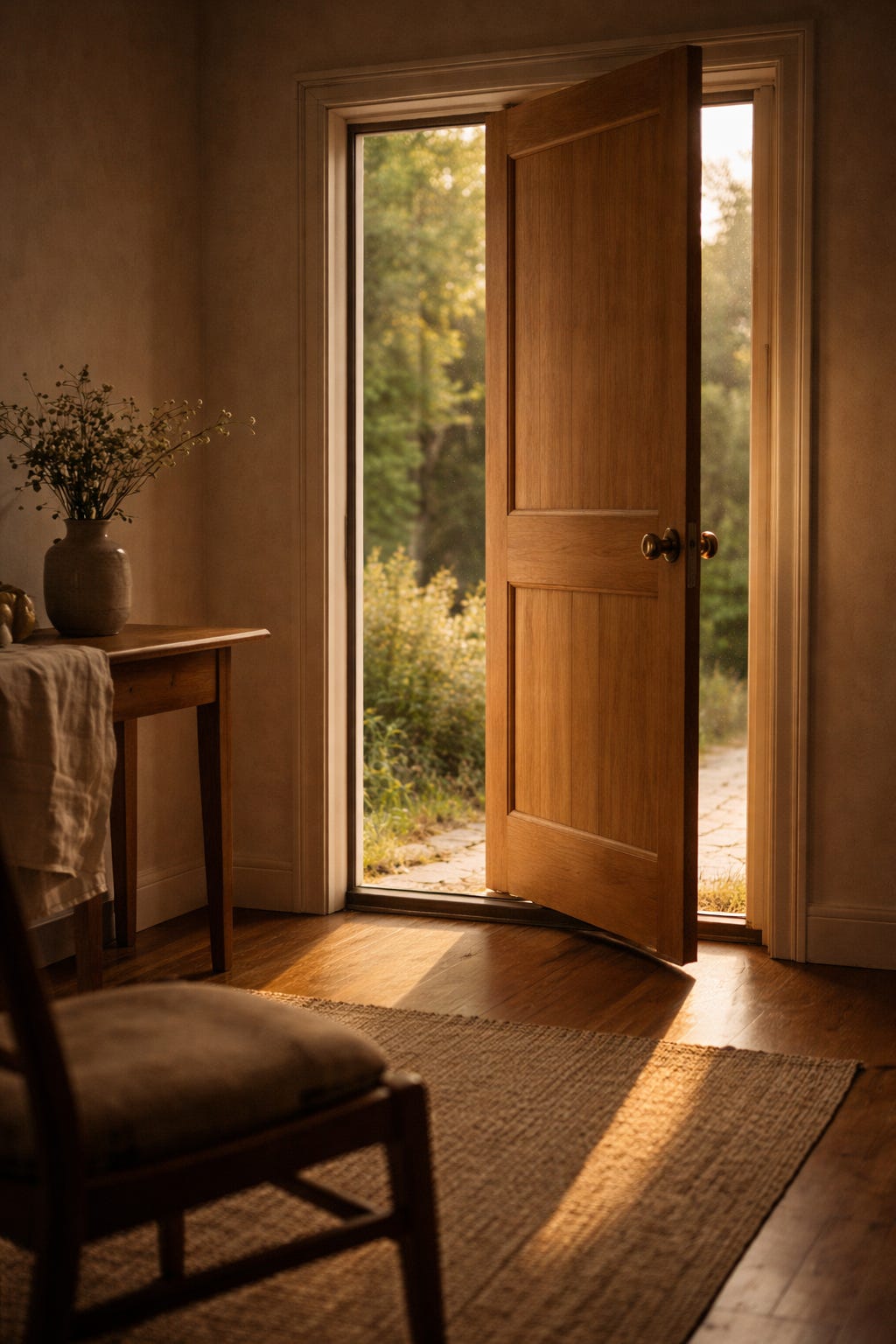
The door hasn’t closed. It’s just no longer standing open by default.
Taken together, these forces — the pandemic and AI — mark something larger than a series of events. They signal a change in the texture of everyday life.
The pandemic taught us how to be alone.
AI taught us how to stay there.
That brings risk, of course. Drift. Detachment. A thinning of shared meaning. But it also opens a door we haven’t walked through in a long time.
A slower interior life.
Deeper listening.
Thinking that doesn’t need to perform.
Music that breathes instead of shouts.
For centuries, civilization expanded outward. Now, whether we intended it or not, we are learning how to live from the inside out.
History may remember 2020 not only as the moment the external world fractured, but as the moment interior life became primary — when humanity began, quietly, to turn toward itself and ask what kind of presence still matters.
⸻
Written as part of the Reflections Series for Essays and Reflections — where art becomes a way of listening to life itself.
© 2026 Brian Arrowood. All rights reserved.