
Untangling “Fiddlin’ Around”
A playful exploration of how two little bars can hold an entire world

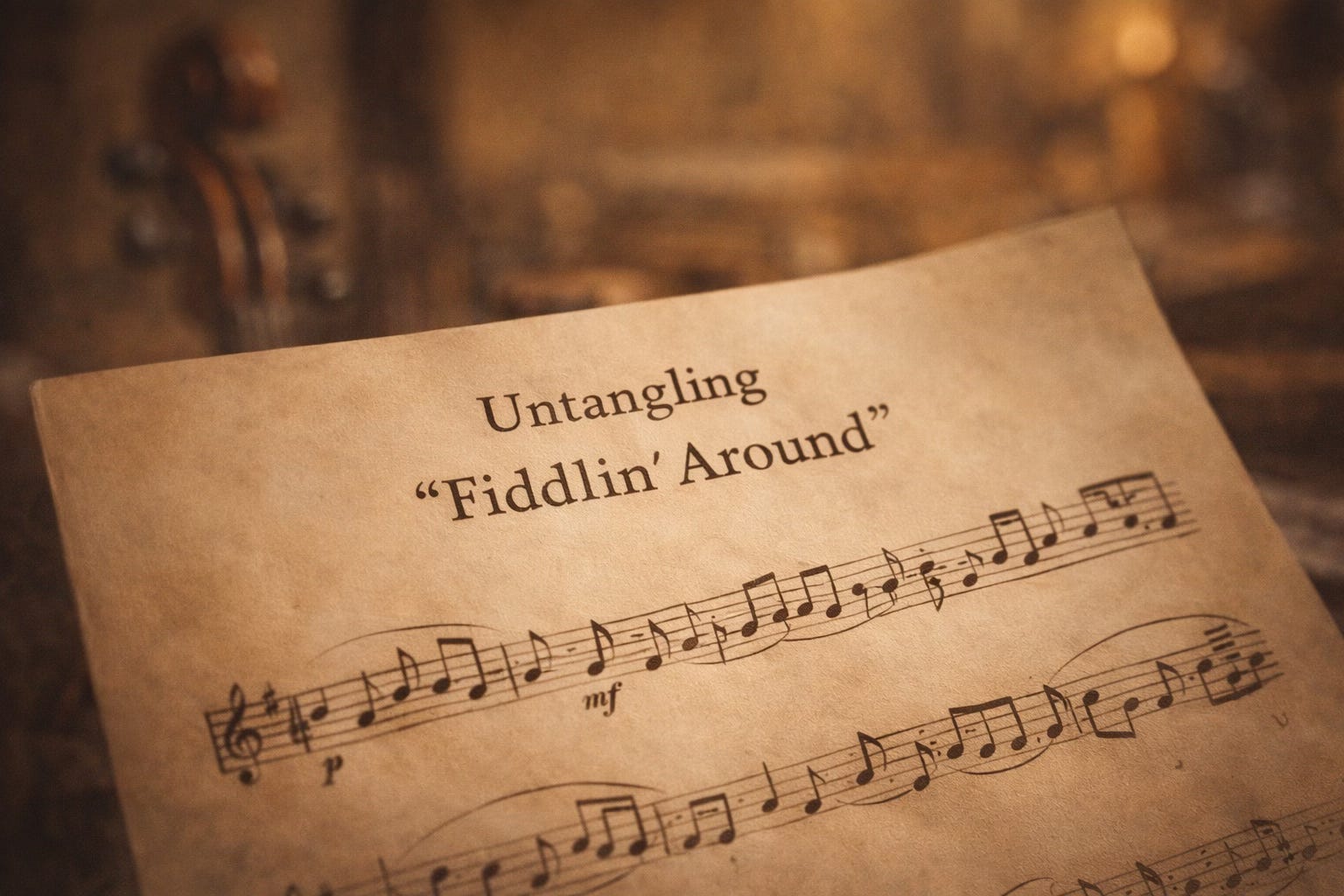
Only Johnny Gimble could make two bars of music feel like a magic trick.
There’s a line in Fiddlin’ Around—a quick D-augmented phrase that flashes by almost before you know it’s there—that gives the whole tune its lift, its grin, its spark. It’s the musical equivalent of Johnny raising an eyebrow right before telling a joke. And the more you listen to it, the more you realize how much is tucked inside something so small.
We’re not looking at the whole tune. We’re simply taking a closer look at a moment that slips by in a heartbeat and noticing the ways it changes depending on when, where, and how Johnny played it. It’s the fiddle workbench—where the bow, the ear, and the imagination get to wander purely for the joy of it.
There’s also something fitting about how the phrase we’re studying comes from a tune called Fiddlin’ Around. In everyday language, it means tinkering, trying things, letting your hands wander until something good appears. That’s exactly what Johnny did with this line across his recordings. He didn’t lock it in place. He let it breathe. He let it lean left or right depending on the moment. He fiddled around with it in the truest sense—not carelessly, but curiously. And by lining up these variations, we’re doing a little of the same: taking a phrase that slips by quickly and giving it room to show its shape.
Johnny recorded Fiddlin’ Around in several distinctive settings: the 1974 Capitol LP, the Honeysuckle Rose soundtrack, the Down Home TV performance with Aly Bain, and an earlier video floating around from the Ranch Radio upload. Each version shows the same melodic idea dressed differently—sometimes lower and warmer, sometimes brighter and more forward, sometimes loose and conversational. What begins to emerge across these versions is not just stylistic difference, but a way of handling melody itself: flexible, responsive, and shaped by circumstance rather than fixed on paper.
Here’s how that moment unfolds across those recordings.
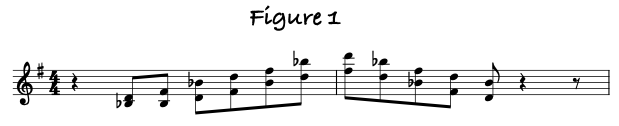
The Honeysuckle Rose version carries that unmistakable late-’70s Johnny Gimble glow—smooth, relaxed, and a little playful. The opening gesture hints at a lower register that might reflect his five-string fiddle work during that era, where the added range gives certain double-stops a softer, fuller bloom. Whether it’s the instrument or simply Johnny’s touch that day, the whole phrase settles easily before lifting into the augmented color. It feels confident, unhurried, and fully in its own skin.

The Down Home variation leans toward conversation. Johnny plays like he’s trading stories between phrases—light bow, loose timing, everything sitting just a hair behind the beat. The line opens up, the spacing widens, and the swing feels like it’s carried in the breath rather than the hand. If the Honeysuckle Rose version is a studio smile, this one is a porch grin.
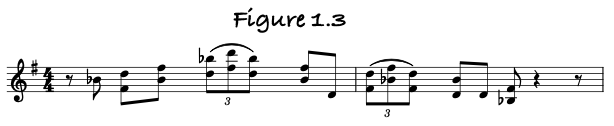
The earlier Ranch Radio cut brings a brighter, more forward edge. The bow attack is cleaner and more vertical, with less low-register cushioning beneath the phrase. The augmented figure lands more pointedly, and the rhythmic placement nudges slightly ahead of center rather than settling behind it. The line feels leaner—energy without rush, precision without stiffness. Side by side, the three versions remind us that Johnny’s voice wasn’t fixed. It grew, mellowed, and opened up over time. Same phrase. Same notes on paper. Three different attitudes.
And that leads to a natural question: What does this line look like when one fiddle carries it alone?
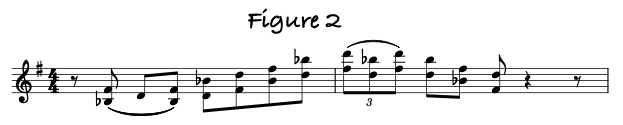
Some of Johnny’s touches—especially those lower double-stops in the Honeysuckle Rose take—belong to a slightly wider sonic world: five-string color, twin-fiddle harmony, or that gentle supportive line that sits just underneath a melody in Western swing bands. When you work with a single fiddle voice, you choose the pieces that speak clearly and still honor the feel.
Your version begins where the line sits most naturally on a four-string instrument while preserving the contour, lift, and playful swing of Johnny’s idea. The gestures that lean too far into the low register become implied harmony—something the ear senses even if the bow doesn’t place every pitch literally. What remains is the shape of the phrase, the forward motion into the augmented color, and the spark that gives the tune its pulse. It’s one way—among many—to let the gesture sing without trying to pin it down note for note.
Studying these variations side by side reveals something deeper than a technical detail. It offers a glimpse into Johnny’s way of thinking. He didn’t treat melodies like monuments. He treated them like living things. A phrase could brighten or soften. It could swing wide or tighten up. It could shift depending on the room, the players, the moment, or the mood.
And maybe that’s why this two-bar phrase still feels so alive. It’s not just a lick—it’s a small window into a musician who kept his music moving, always listening, always shaping, always fiddlin’ around.
⸻
Listening Notes
1️⃣ Johnny Gimble — “Fiddlin’ Around”
From Honeysuckle Rose: Music from the Original Soundtrack (Columbia/Legacy, 1980)
2️⃣ Johnny Gimble — “Fiddlin’ Around”
From Down Home (Aly Bain TV Series, 1985)
3️⃣ Johnny Gimble — “Fiddlin’ Around”
Early performance (Ranch Radio YouTube upload)
4️⃣ Johnny Gimble — “Fiddlin’ Around”
From Fiddlin’ Around (Capitol Records, 1974)
🎻 Watch the latest Fiddle Canon Minute
⸻
Written as part of the Reflections Series for The Fiddle Canon Project — exploring the living traditions, histories, and voices within American fiddle music.
© 2026 Brian Arrowood. All rights reserved.