

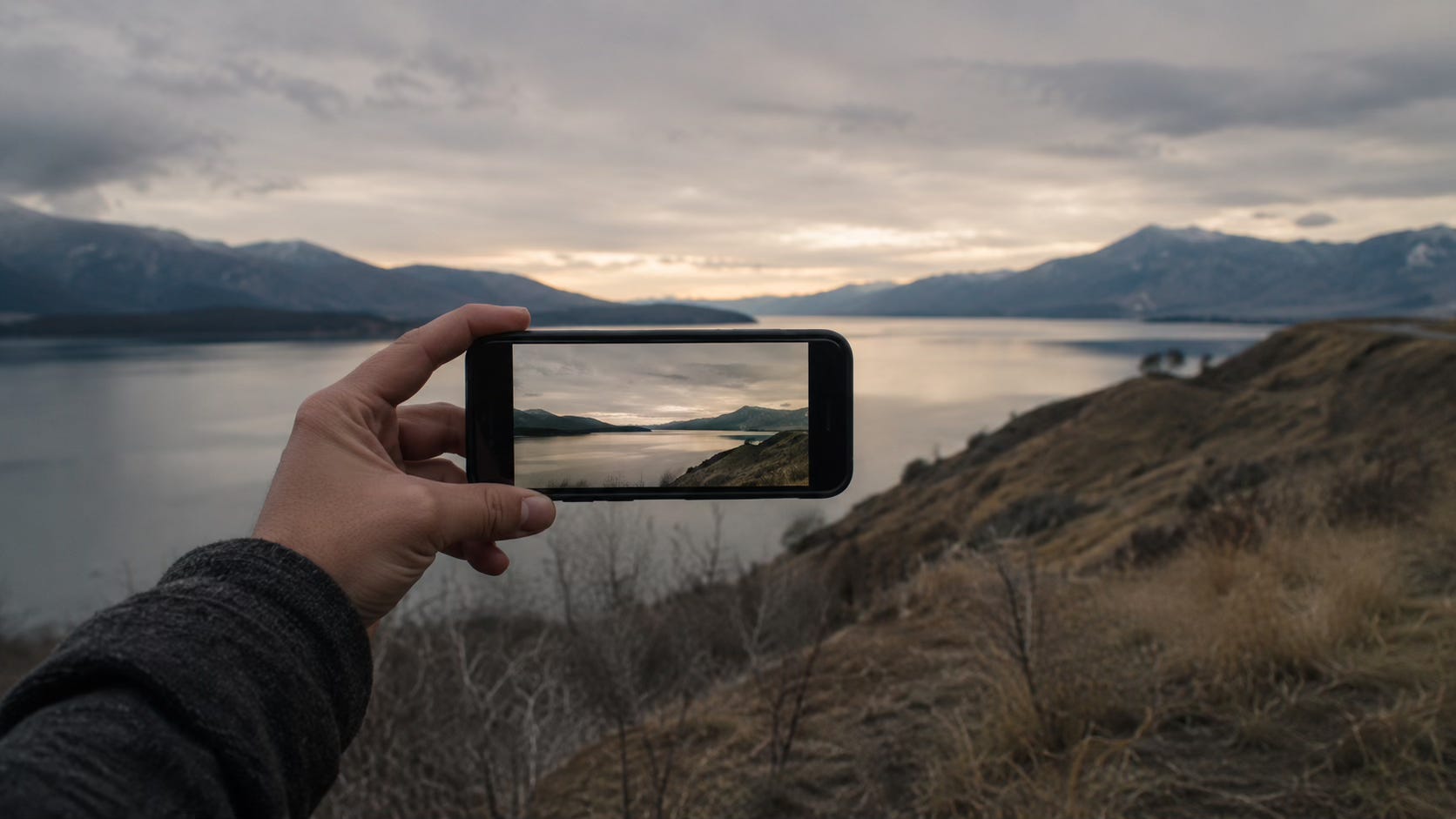
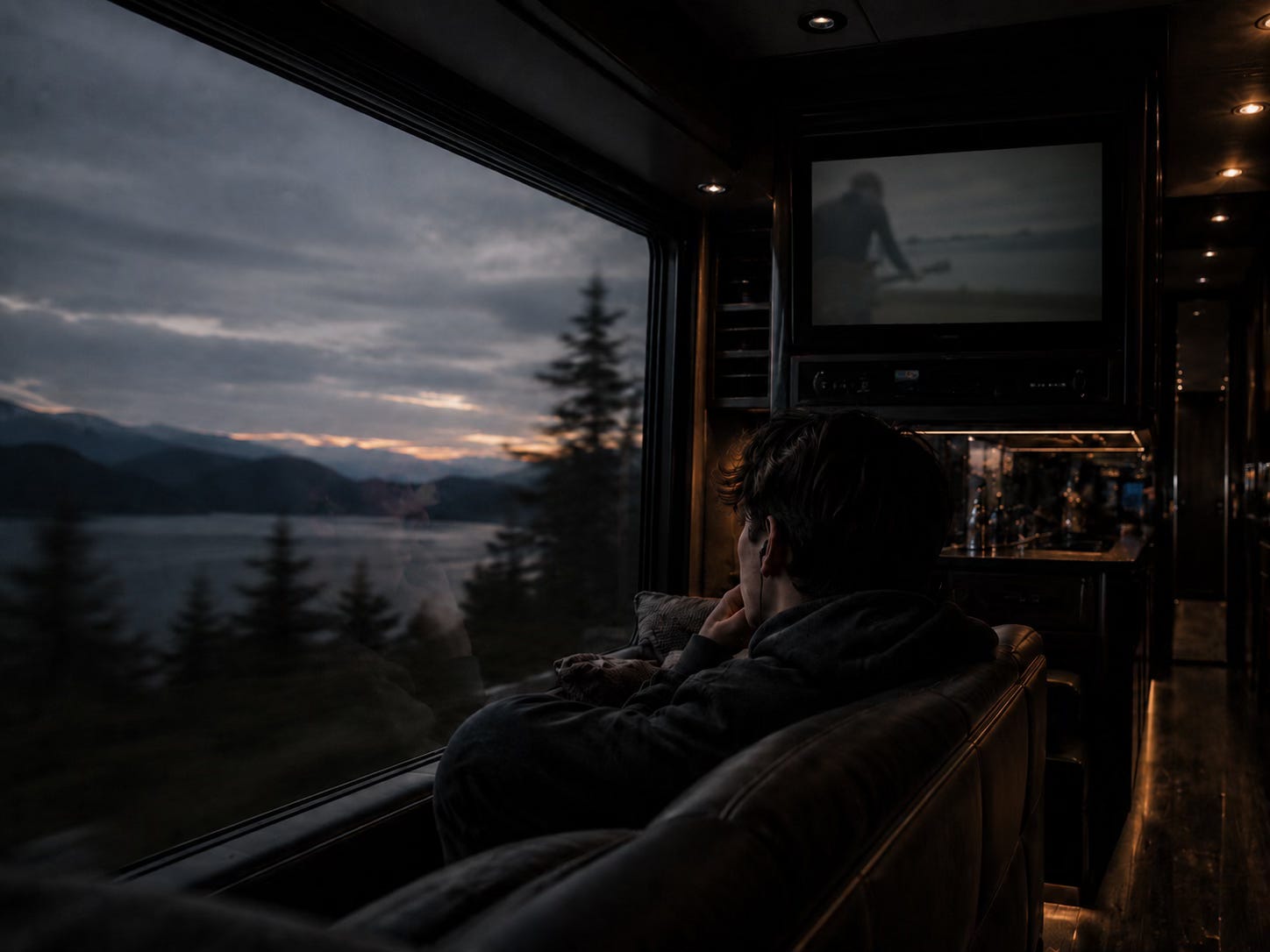
I was recently sitting on a tour bus watching a music video.
The details of the video are not important. Like so much modern media, it seemed designed less to invite attention than to keep seizing it. Images flashed by. Scenes shifted quickly. Everything felt constructed for visibility.
As I watched, my attention drifted away from the screen and toward a different thought entirely.
Two hundred years from now, I suspect people may look back at our era and conclude that we were living through a very strange moment in human history.
Not because of our technology.
Because of our behavior.
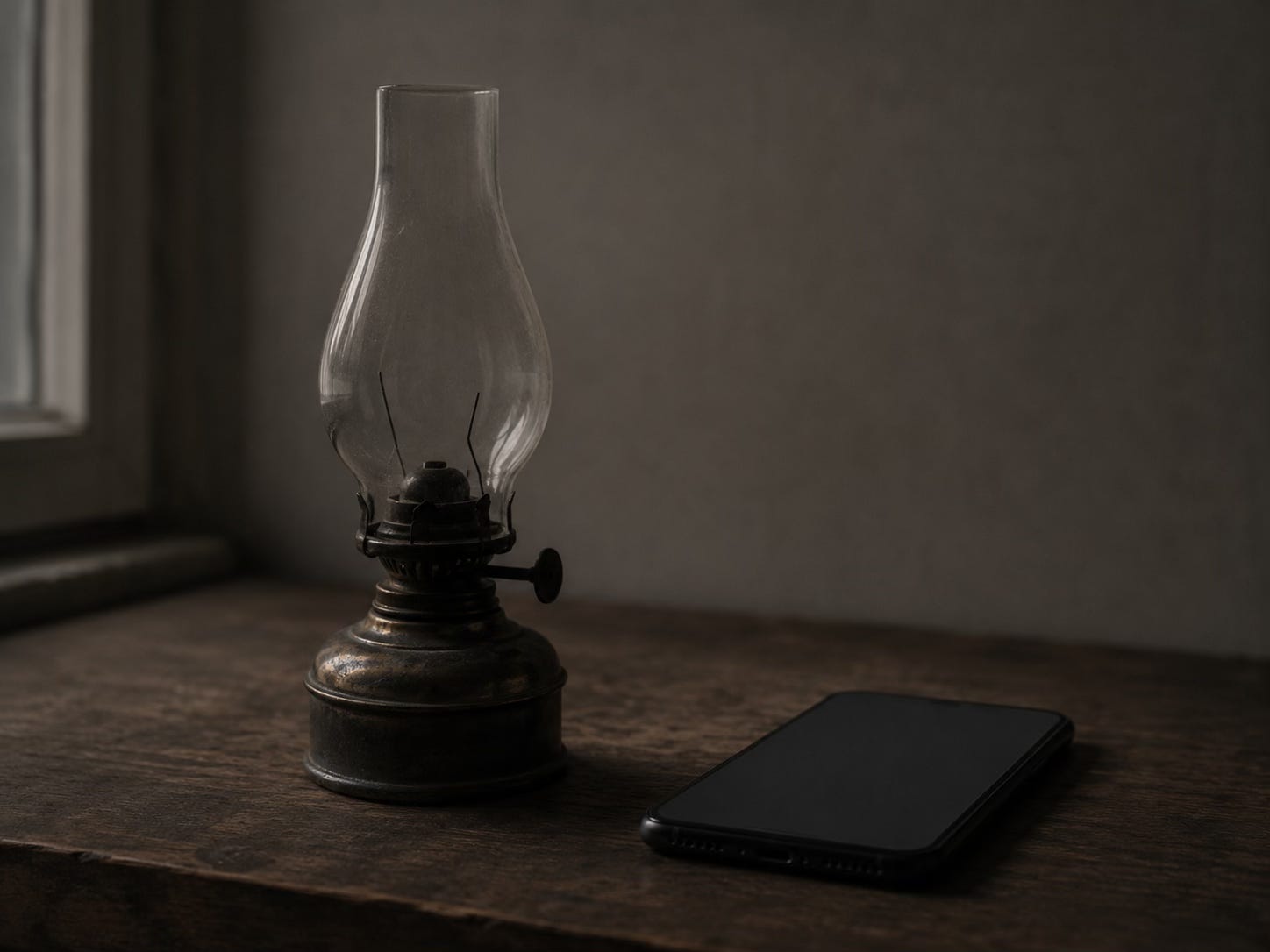
As the United States approaches its 250th anniversary, it is natural to think about the people who lived here two centuries ago. Their daily lives were filled with forms of labor that modern people rarely consider. They maintained fires, lit lamps, preserved food, hauled water, and accepted communication delays measured in weeks rather than seconds.
Those activities were not remarkable to them. They were simply part of life.
Today, many of those burdens have disappeared into infrastructure.
We flip a switch and have light.
We open a refrigerator and have cold food.
We press a button and communicate across the world.
The systems remain complex, but the friction has largely vanished. This has been enabling in ways earlier generations could scarcely have imagined.
And yet that same liberation has opened space for new habits.
That thought made me wonder whether future generations may one day view some of our own habits in much the same way.
We live in what might be called the Age of Capture.
By that I mean a period in which the ability to record experience has become so widespread that documentation now shapes the experience itself.
The desire to preserve meaningful moments is not new. Human beings have always resisted the disappearance of experience. We painted on cave walls, carved names into stone, wrote letters, kept journals, saved photographs, recorded songs, and passed stories from one generation to the next.
The impulse is ancient.
What has changed is the scale, speed, and social expectation surrounding it.
Never before have ordinary people possessed such an extraordinary ability to document their lives so continuously, preserve those records so easily, and distribute them so widely. The desire to remember may be timeless. The machinery surrounding memory is not.
And that machinery does not merely preserve experience.
It alters our position inside it.
A moment occurs.
Someone reaches for a device.
Before the experience has even passed, it is already being framed. It is being measured against its future representation. How will this look? Who will see it? Is this worth posting? Is this worth saving? Is this the version of the moment that should remain?
This is where the modern condition becomes strange.
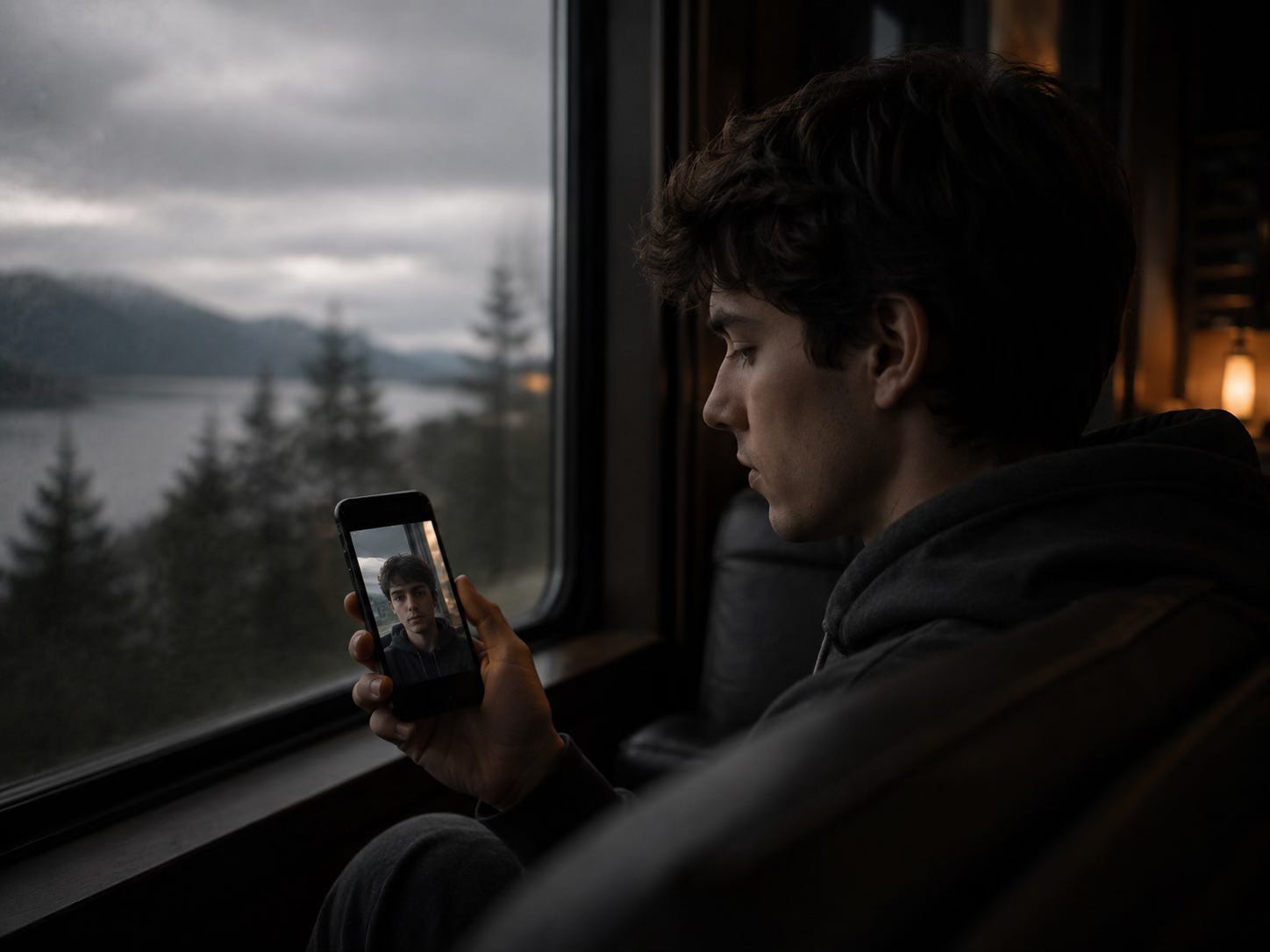
Part of us is present.
Another part is observing ourselves being present.
We are no longer only living the moment. We are also quietly stepping outside it, imagining how it will appear later, to others, to ourselves, to whatever audience the moment may eventually meet.
That doubling of consciousness may be one of the defining features of the Age of Capture.
The camera has not simply given us a way to remember. It has given us a second location from which to experience our own lives.
The photograph is not the sunset.
The video is not the concert.
The post is not the vacation.
Yet modern culture often encourages the recorded version to compete with the lived one. Sometimes the representation becomes more durable than the event. Sometimes it travels farther. Sometimes it becomes more socially consequential than the fragile original.
There is nothing inherently wrong with preservation. A photograph can become a treasure. A recording may carry the voice of someone no longer here. There are family videos, letters, songs, and saved messages that return us to moments we would otherwise lose.
The archive of human experience is richer and more democratic than at any previous point in history. Voices that might once have disappeared can now be preserved. Moments that might once have gone unseen can now be witnessed.
The concern is not that we preserve.
The concern is what preservation asks of us while life is still unfolding.
That is a different thing.
A person at a concert is not only hearing the music. He may also be checking the angle of the phone. A family on vacation is not only sharing the view. They may also be composing the evidence of having been there. Even joy can acquire a second task: to become presentable.
We may gain a shareable artifact while losing some of the unfiltered texture of being there.
Experience begins to carry an administrative burden.
This is where the comparison to earlier forms of labor becomes useful. The point is not that uploading a video is the same as hauling water or tending a fire. It is not. The point is that every era has forms of friction that feel ordinary to those living inside them.
Future generations may look at our rituals of recording, editing, captioning, uploading, organizing, and monitoring as perfectly understandable within our time, yet strangely laborious in retrospect.
They may wonder why remembering required so much interruption.
Artificial intelligence sharpens this question.
Not because AI is simply another tool.
Because AI may change what it means to remember.
Until now, even our most advanced forms of capture have usually required some act of human selection. We decide to take the picture. We decide what to save. We decide what to tell. However casually or imperfectly, intention remains involved.
But AI points toward a different kind of memory: one that is organized, searched, summarized, reconstructed, and perhaps eventually generated without the same degree of conscious choice.
Already, our photo libraries can sort themselves into memory reels. Conversations can be summarized. Personal archives can be searched. Calendars, emails, images, documents, and messages can be gathered into systems that do not merely store information but interpret it.
This is not just preservation.
It is mediation.
And once memory becomes mediated by intelligent systems, the question changes. It is no longer only, “What did we choose to capture?” It becomes, “What did the system decide was meaningful?”
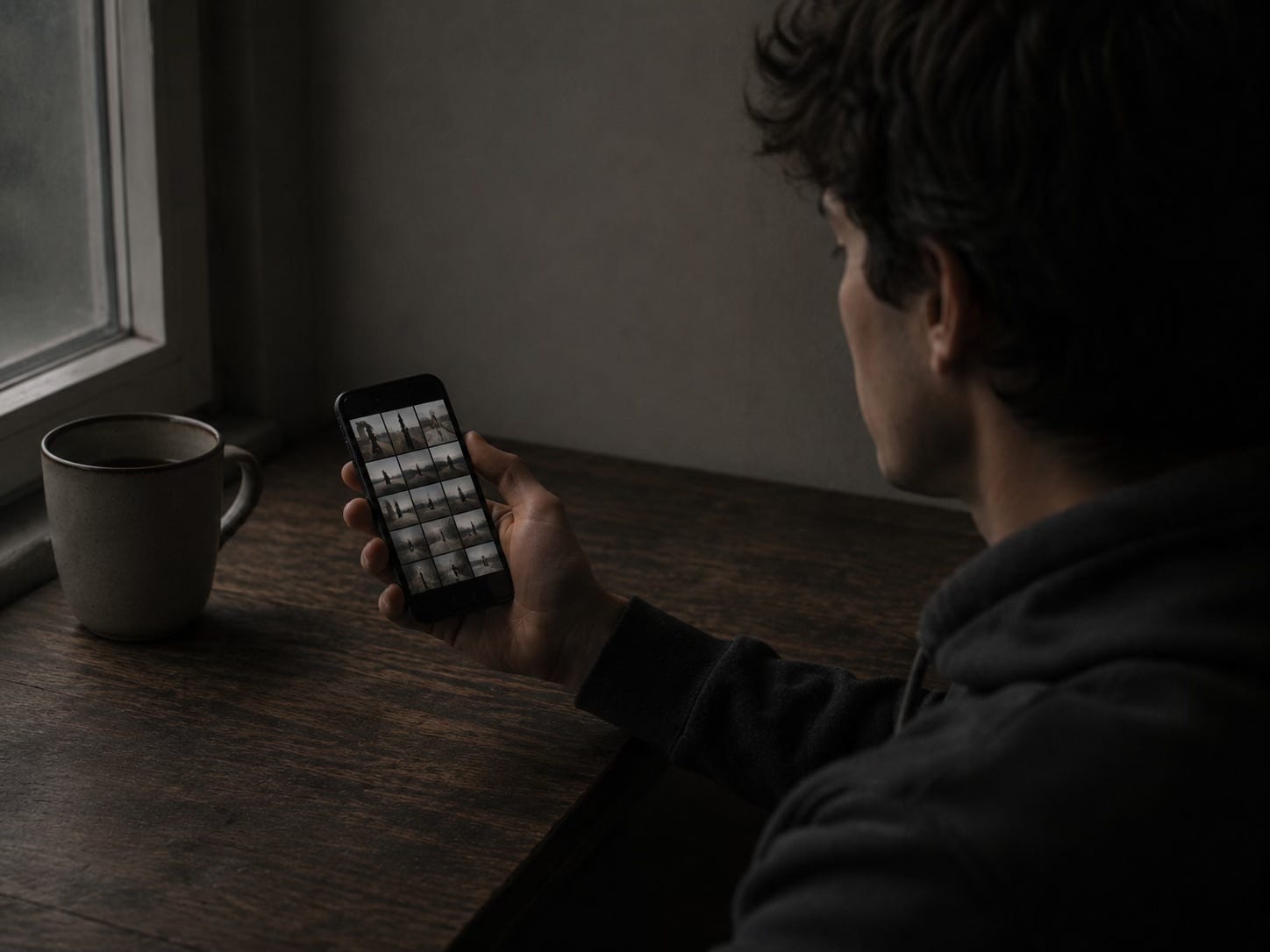
That may be the more significant shift.
Human memory has always been selective. It forgets. It softens. It rearranges. It leaves certain things behind so that life can continue moving forward.
An artificial memory may not behave that way.
It may preserve too much.
Or it may preserve according to patterns we did not choose.
It may summarize a life in ways that are convenient but incomplete. It may turn experience into searchable material while quietly changing the meaning of what is searched. It may give future generations the ability to revisit moments with astonishing clarity, while also making it harder to distinguish between what happened, what was recorded, and what was reconstructed.
In that future, our current habits may appear transitional.
We still reach for the device.
We still press record.
We still choose the angle.
We still know, at least instinctively, that the record came after the experience.
That may not always be so clear.
If recording becomes passive, if memory becomes automatic, if reconstruction becomes ordinary, then the line between living and preserving may grow even thinner than it is now.
And perhaps that is why this moment feels so unsettled.
We are among the first generations capable of preserving so much of ourselves, but we are still learning what that ability does to us.
We are learning what happens when memory becomes external.
We are learning what happens when experience becomes shareable before it has even become private.
And perhaps most importantly, we are learning what happens when a life is lived not only from within, but also in anticipation of how it will appear from the outside.
Two hundred years from now, people may not marvel at our machines. They may have machines far beyond anything we can presently comprehend.
What may surprise them is the posture we assumed before those machines became invisible.
They may see us standing at the edge of a transition, interrupting our own lives in order to preserve them, uncertain whether a moment fully counted unless it could be shown, saved, or shared.
And they may recognize something both primitive and deeply human in that impulse.
The desire to be witnessed.
The fear of forgetting.
The hope that some part of us might remain.
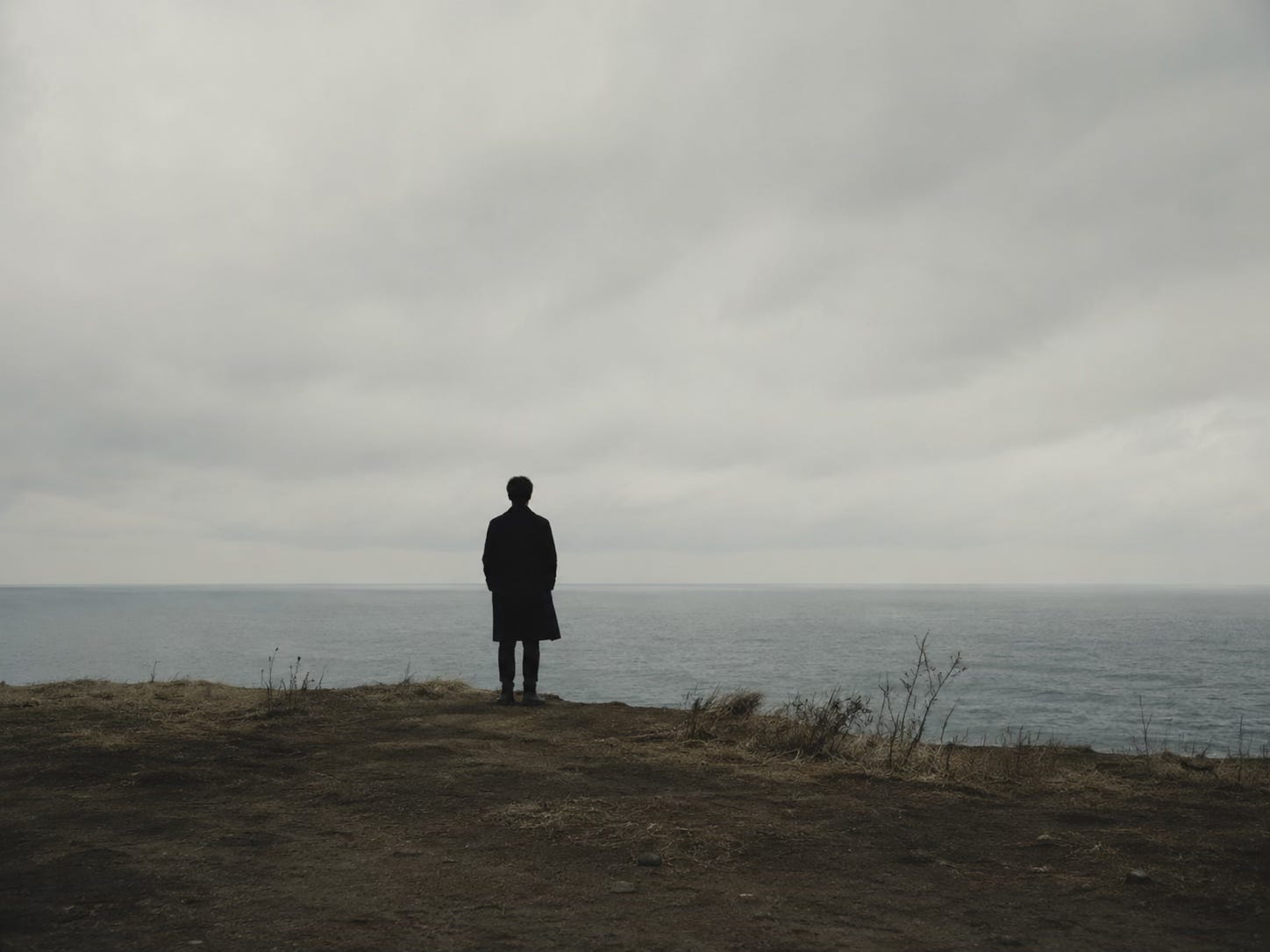
The Age of Capture is not simply an age of cameras, platforms, or artificial intelligence. It is an age in which reality increasingly arrives with a second question attached:
How will this be remembered?
That question may be useful.
It may also be dangerous.
Because the more we observe ourselves living, the easier it becomes to mistake the record for the life.
Future generations may not marvel that we had the power to capture so much.
They may marvel that we felt compelled to step outside our lives in order to prove we were living them.
⸻
Written as part of the Reflections Series for Essays and Reflections — exploring the evolving relationship between technology, memory, and human experience.
© 2026 Brian Arrowood. All rights reserved.